
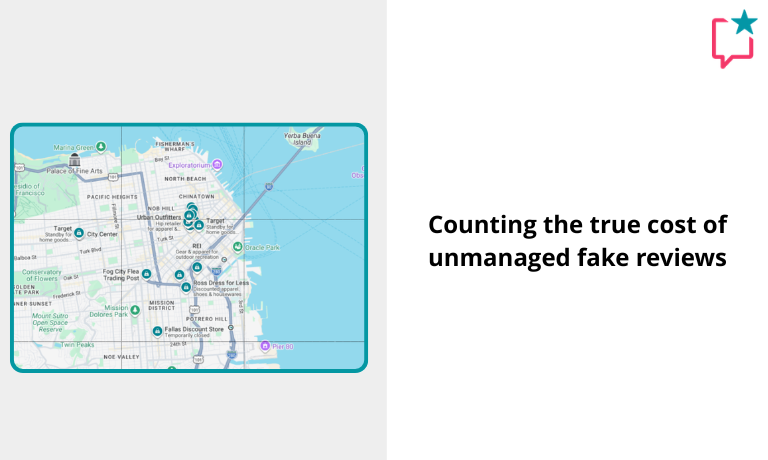
The marketing habits formed by local businesses can set brands of all sizes up for success and longevity or eventual closure. Good marketing is detail-oriented and consistent, making it a major concern that when you start looking at small-to-enterprise level local businesses in any US city, you can immediately find companies that are quite obviously ignoring reviews. This is evident when legitimate negative reviews receive zero response from the owner, and of equal concern is the fact that Google Business Profiles are filled with reviews that feature multiple red flags that they could be spam, like the below example.
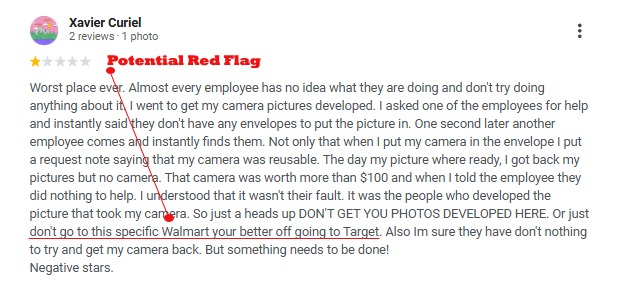
This review is highly detailed and could be legitimate, but it also contains three warning signs of potential fraud:
- It has been left by a profile that has only ever published 2 reviews. Global review fraud networks frequently operate by creating multiple fictitious profiles for the purpose of leaving a small number of spam reviews with each one.
- The review content is urging the public to avoid the brand and is naming a competitor that customers should go to instead. Again, this is a tactic frequently used when local competitors have hired a review fraud farm to damage the reputations of nearby businesses.
- The review content features poor grammar and awkward wording. This could be a sign of legitimacy that the sentiment was written by a human, or, it could be a red flag that the review was generated by AI.
Left unmanaged, fake reviews create an outrageous negative ripple effect, causing damage in multiple directions. When accurately assessed, the often-overlooked cost of review fraud neglect is simply too high for most brands to sustain.
If you are currently responsible for marketing a local business that has fallen into the expensive habit of review spam neglect, share this post with decision-makers at the company to inspire buy-in for forming smarter and safer review management practices.
Counting 7 Key Costs of Unmanaged Fake Reviews
Here is a brief outline of the damages that occur when a business ignores review fraud:
1. Ratings + Reputation
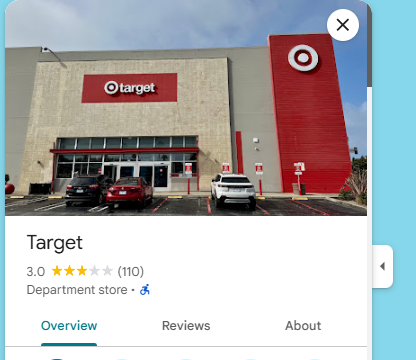
When a review violates Google’s prohibited and restricted content guidelines because it does not represent a real-world customer having a first-hand experience with a local business you’re marketing, the most obvious harm is to the average star rating of your Google Business Profile, and to your overall reputation.
The above screenshot shows the average star rating of 3.0 this business has received – a figure that represents the mathematical average of all the ratings reviewers have left over time on a Google Business Profile/Google Maps listing. The example business has entered dangerous territory with this rating.
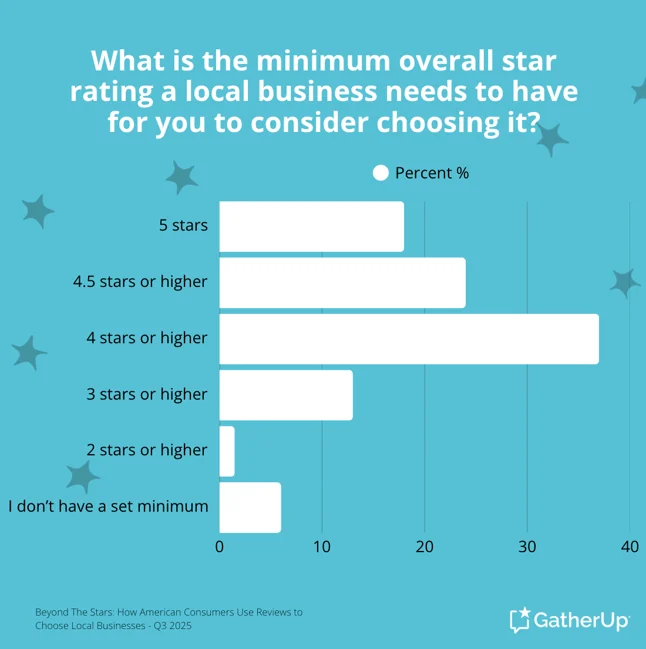
GatherUp’s consumer behavior survey of 1000+ US respondents finds that 93% of your potential customers require an average rating of 3-or-more stars to consider transacting with you. Our example business is about to dip below that 3-star minimum. If it has legitimately earned that rating due to authentic negative reviews citing poor customer service and other unresolved complaints, then it may face branch closure in future unless it improves local consumer satisfaction. But if part of this perilously-low average star rating is due to unmanaged fake reviews, then the brand is allowing its branch to spiral downwards needlessly.
In fact, star ratings have so much influence on consumer behavior that review fraud farms sometimes employ a sneaky tactic; instead of leaving 1-star reviews, they will leave reviews with ratings that are just slightly lower than a company’s average star rating with the purpose of eroding it more subtly. Fraudsters know that they can drive potential customers away from your business simply by creating incremental declines in your average rating.
The overall reputation of the branch is damaged any time review spam is neglected, because a false picture is being created of the quality of the business. This highly unfair scenario should never be ignored by any local brand.
2. Rankings
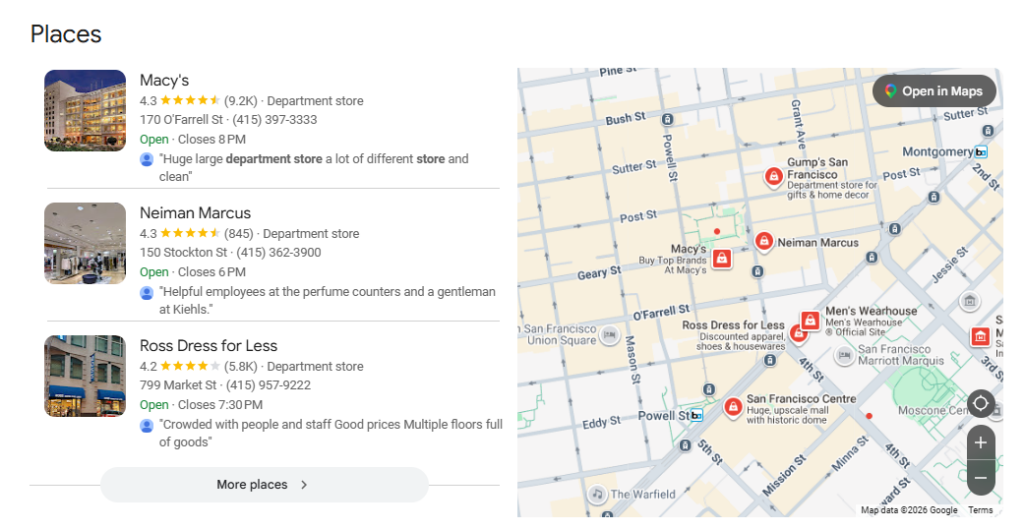
Multiple factors are taken into account by the algorithm Google uses to calculate how your business should be ranked in Google local packs and Maps, like the above. One of these factors is your average star rating. Google wants to show highly-rated businesses to its users, and you can expect your rankings to suffer if unchecked fraudsters have set out to damage your average star rating.
You need to be visible in order to be discovered and considered by online searchers, making decreased rankings a high cost of fake review neglect.
3. Conversions
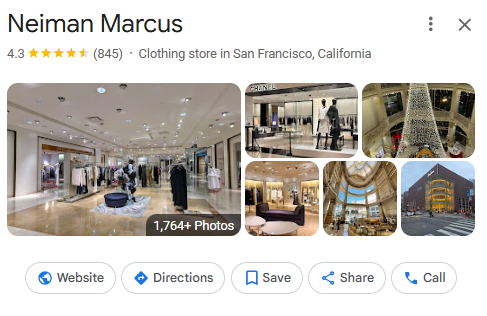
While Google has become the dominant discovery engine for local businesses, your core goal after being found in their local search results is to inspire a next action on the part of consumers. Common conversion metrics include customers:
- Clicking from your Google Business Profile to your website
- Clicking to call you
- Clicking to request driving directions
All of these activities are a prelude to a potential transaction. If fake reviews are making your average star rating less attractive to the public, as well as less visible in Google’s system, your conversion rate will be lower than it could be.
4. Revenue
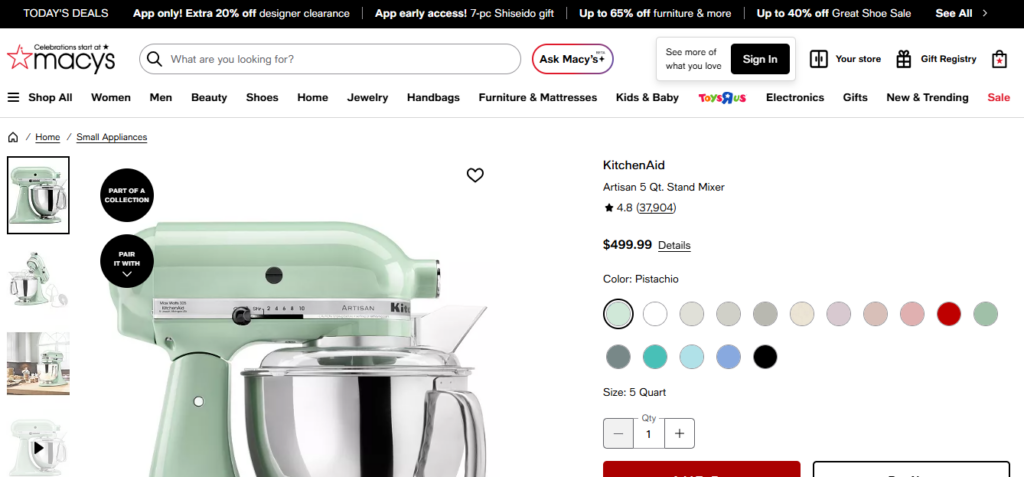
As ratings, rankings, and conversions fall due to review fraud, actual revenue suffers because fewer consumers are discovering your listing and being impressed by your reputation. Whether you need to sell inventory or earn bookings for services, neglected fake reviews undermine profitability goals.
5. Consumer Trust + Safety
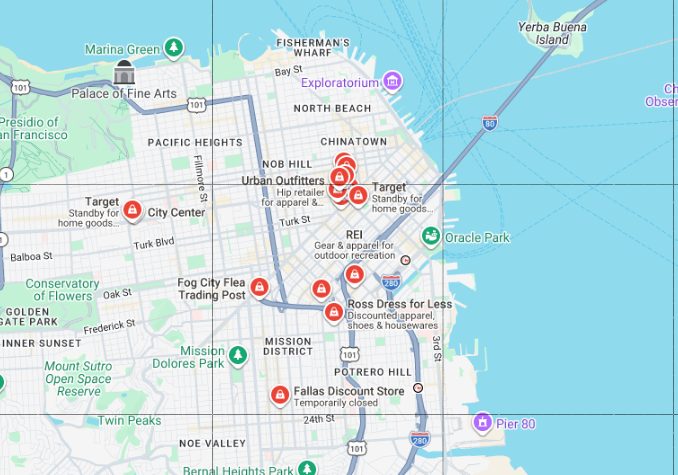
Unmanaged review fraud inherently harms consumers because it creates a false picture of local commercial environments. When fake reviews decrease the visibility and appeal of honest businesses while elevating brands who are engaging in review fraud to promote themselves, consumers are steered towards untrustworthy entities.
This dynamic becomes especially dangerous when matters such as health and safety are on the line. In a landmark study of the home services, legal, and medical industries, The Transparency Company (now a GatherUp brand) finds that review fraud is causing $300 billion in annual consumer harm in these sectors, alone.
Unfortunately, news stories of local business scams now make daily headlines with customers continuously being fooled, defrauded, and harmed by bad actors. Yet, even this level of ongoing reporting only represents the tip of the iceberg; it’s likely that a large percentage of fraudulent reviews that are influencing consumer behavior are sitting in Google’s system unnoticed and unmanaged.
6. Review Platform Trustworthiness + Relevance
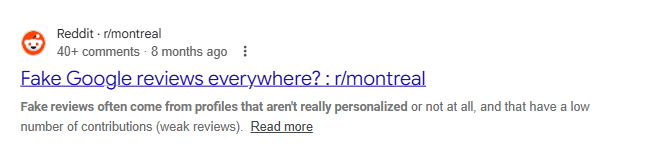
Google has built a lucrative business model around local business listings and reviews, but its relevance is threatened by public perception of the amount of fraudulent content in its system. As suggested by the above Reddit thread (and countless others like it), consumers are questioning whether they can trust Google’s review base when making purchasing decisions. GatherUp finds that just 20% of US consumers are confident that review platforms are doing a good job of filtering out fake review content.
While the onus is on review platforms to protect their own assets from becoming known as hubs of fraud, all local business owners also have a strong stake in this scenario. At present, 98% of consumers consult reviews before choosing a local business, making them a key driver of revenue. If review platforms like Google lose public trust, then local businesses will also lose this incredibly valuable marketing channel.
7. AI Accuracy
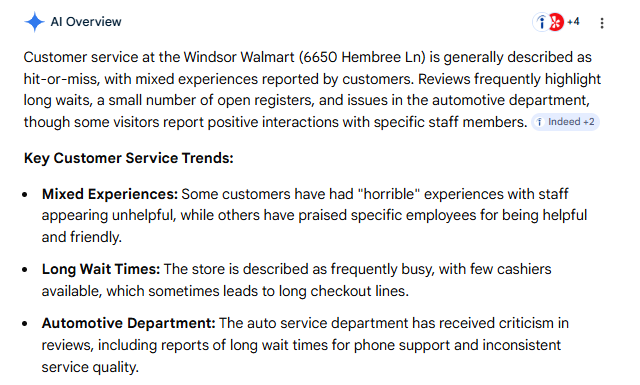
Generative AI has become infamous for its lack of accuracy, and the real-world impacts of this may best be understood at a local commercial level. Unfortunately, review fraud builds a direct pipeline of misinformation into AI features and tools such as Google AI Overviews and Google AI Mode. LLMs cannot distinguish between authentic reviews and fake ones, and their outputs can look very official to less-savvy local consumers. If the above AI Overview summary of this branch of a Walmart has been legitimately earned due to poor customer service standards, then the negative reputation being highlighted is accurate. But what if some of this very poor summary is based on review fraud?
Honest businesses have little to fear from legitimate complaints; they can be responded to via the owner response function with the goal of winning back unhappy customers’ good opinions. By contrast, review fraudsters cannot be assuaged or inspired to improve their rating and sentiment because they are being paid to harm your business. AI has created a whole new sandbox for scammers to play in, knowing that their fake negative reviews will inform reputation-based content being generated in response to user prompts.
The bigger review fraud picture beyond your own profiles
Review spam doesn’t happen in a vacuum. Fraudsters are not only being paid to damage your reputation but also to elevate their client with fake, positive reviews. While step one involves taking an active approach to monitoring your own listings for signs of suspicious content and quickly reporting it to the relevant platform, step two depends on:
- Identifying the top local competitors surrounding each branch of your business
- Monitoring their profiles for signs that they may have engaged a review fraud farm to promote them
While a single-location business may be able to do some investigative work manually within a single town or city, multi-location brands and agencies with multiple local business clients will typically find this work too burdensome. Automation is essential to defending not just the business, but its resources of time and money.
The sum total of review fraud damages to your business
As we’ve seen, an accurate calculation of the true cost of review fraud must include damages to ratings, reputation, rankings, conversions, revenue, consumer trust, consumer safety, and review platform relevance. None of these factors are negligible for any local brand that is pursuing profits, growth, and a stable future.
The scope of the problem requires a scalable solution for identifying and reporting review fraud to platforms like Google. GatherUp has an unusual degree of insight into just how out-of-hand review fraud has become because of our years of research and development in the reputation management sector. We know that both small-to-enterprise level local brands and the agencies that market them are risking reputation and foregoing revenue due to unmanaged fake reviews. This knowledge has prompted our latest offering.
Reputation Defense is a scalable solution for detecting suspicious reviews across all of your locations and automating review fraud reporting. Further, this groundbreaking software enables you to monitor your local competitors for signs that they are engaging in review fraud. Protect your reputation and the trust and safety of the communities you serve by:
- Running a free scan for an initial look at your review health
- Booking a demo to see the full capabilities of Reputation Defense in action
If you are frustrated by the feeling that review platforms aren’t taking the fraud in their systems seriously enough, GatherUp is ready to listen and to help you defend your business.